
Between Two Cultures, Where Do I Belong?
Vo Thi Nhu Mai · The Literary Journal
Between Two Cultures, Where Do I Belong?
Reflections on identity, language, and the meaning of home
Culture · Identity · Belonging
Can you belong to two countries and still feel that a part of you is searching for home?
“Where are you from?” It is such an ordinary question, yet I find myself thinking about how much we expect one answer to hold. A place of birth, a language, the people who raised us, the places where we learned to begin again. How can all of that fit into a few words?
For me, the question of belonging is less about drawing a line on a map and more about noticing what stays with us as life changes. I do not think we need to have every answer before we can feel at home.
The Meaning of Home
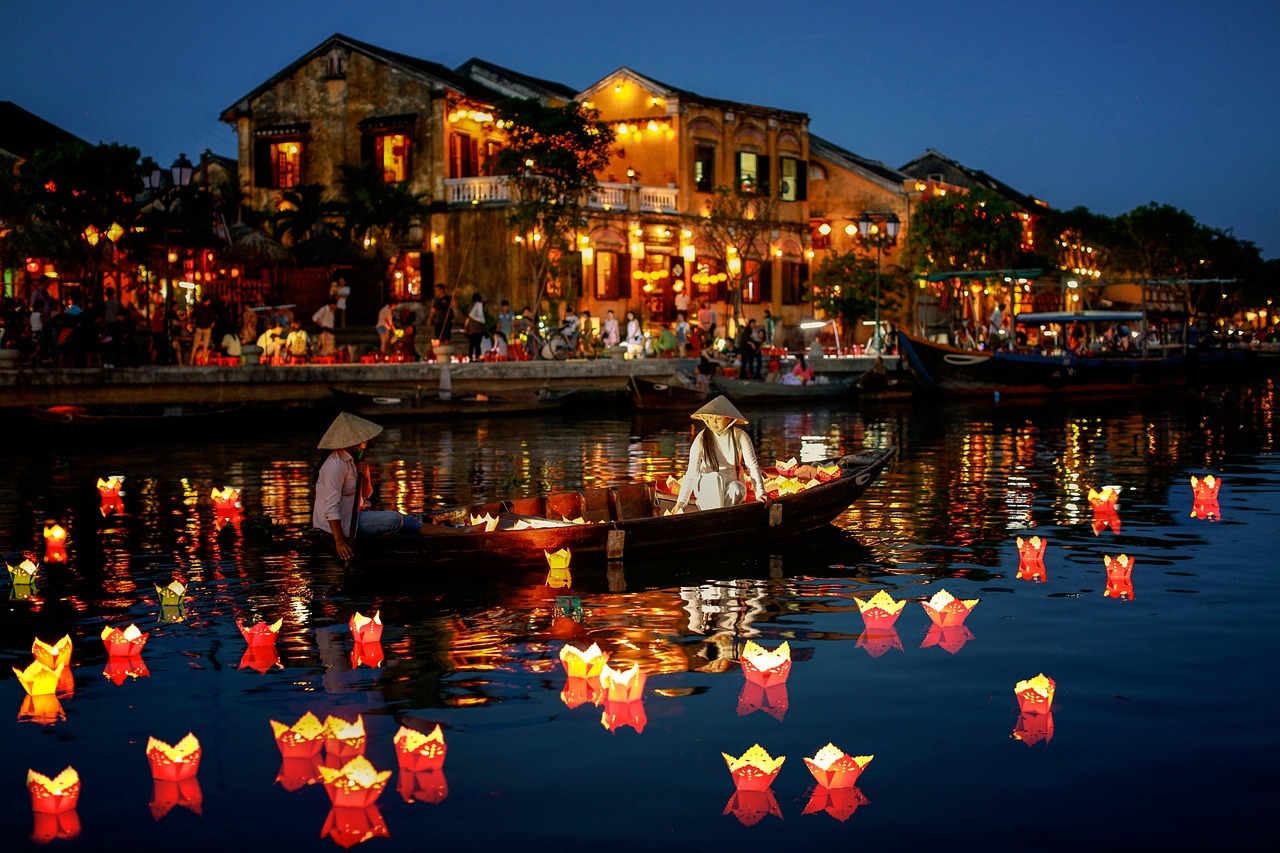
Vietnam and Australia have different rhythms, customs, and ways of expressing community. Thinking about those differences reminds me that what feels ordinary in one place may be precious in another. A greeting, a familiar word, or the way people gather around a table can hold more meaning than we realize.
I am drawn to the space between being welcomed and truly belonging. Welcome can happen in a moment. Belonging often grows slowly, through trust, understanding, and the freedom to bring our whole selves into a room.
What We Carry With Us
Culture is not only what we celebrate in public. It is also the quiet language of everyday life: the stories families repeat, the respect they show, and the values they question or pass on.
I think poetry can make room for these layers. A poem may begin with a particular landscape or memory and still touch a reader who has never seen that place. We do not have to share every detail of another person’s life to listen closely to it.
But listening matters. It is easy to say that we are all the same. I would rather say that our differences deserve to be heard, too.
Belonging Without Choosing Sides
Sometimes people speak about identity as though we must choose one place, one language, or one version of ourselves. I find that too narrow. Learning from a new culture does not require us to erase the one that shaped us. Nor does loving where we come from prevent us from finding connection somewhere else.
When I write about belonging, I am interested in that openness: the possibility of carrying more than one influence without treating either as a contradiction.
A question for readers: Has a place, a language, or a person ever changed what home means to you?
Sources & Further Reading
These are related resources for further exploration. This article is a reflective essay, not a report of documented personal events.
Mai, your reflection made me think about how much our understanding of home changes as we go through life.
Growing up in America with Caribbean roots, I’ve always understood that belonging isn’t necessarily tied to one place. Our culture, the people who raised us, the things we remember, and even the people we meet along the way all become part of who we are.
I’ve learned that sometimes a person can make you feel more at home than a familiar place ever could. Not because you share the same background or speak the same language, but because there’s understanding and mutual respect.
I also believe we can embrace another culture without losing our own identity. In fact, sometimes those differences help us appreciate where we came from even more.
You raised a meaningful question, Mai. It makes me wonder how many of us have found a sense of home somewhere we never expected.
Thank you for sharing your thoughts and giving us something worth reflecting on.
— Nelly Vee